HIGHLIGHTS


From everyone at The Foundation for Aviation Safety we wish you all a joyous holiday season and a very happy 2026. This edition of the Aviation Watchdog Report concludes 2025 with a New Year’s Resolution story with a twist, a Christmas tale of a long and arduous flight, and a feature of one of our college interns filling a Flight Analyst role. You’ll also read about the selection of a prime integrator contractor for the Brand New Air Traffic Control System and a helpful story to help you avoid a common ailment for many frequent flyers.
2025 was a disappointing year for aviation safety. We witnessed several tragedies including those in Washington DC and Ahmedabad, India. The fatal crashes of an air ambulance in Philadelphia and a private jet into a military housing complex in San Diego were also sad reminders of how narrow the safety margin in aviation is. Luckily no fatalities occurred after the crash in Toronto and many near mid-air collisions and runway incursions at airports across the nation. The air traffic control meltdowns in Newark and the government shutdown resulted in a frustrating and sometimes frightening situation across our industry.

We are also very proud to announce that The Foundation for Aviation Safety has been awarded the 2025 Platinum Seal of Transparency from Candid. Candid maintains one of the largest databases of U.S. nonprofits, covering nearly two million organizations. It provides nonprofit profiles through GuideStar by Candid, where organizations can update their information and earn a Seal of Transparency to build donor trust. This Platinum Seal of Transparency puts The Foundation for Aviation Safety in the top 1% of all non-profit organizations.
As we put 2025 behind us and look forward to 2026 it is easy to see that the Foundation’s core mission remains our focus. We are proud to serve as the leading aviation watchdog and will continue to report on illegal activities and other problems impacting safety including ineffective government. We serve the individuals that fly and their loved ones. Best wishes to you all for a safe and joyous 2026.

A New Year’s resolution is a personal promise or commitment made at the start of a new calendar year to improve oneself—often by adopting good habits, breaking bad ones, or pursuing specific goals. In a twist to the usual tradition, The Foundation for Aviation Safety is asking for others to make appropriate resolutions. It seems they need a bit of a push. So, perhaps this is more of a New Year’s Wish on our part, but we ask that these New Year’s Resolutions be made, and kept, in the interest of aviation safety.
The criminal case, United States v. The Boeing Company (Docket No. 4:21‑CR‑005‑O) is moving from Judge Reed O’Connor’s courtroom in the Northern District of Texas to the Fifth Circuit Court of Appeals in New Orleans. We ask that the three-judge panel will also be guided by a resolution to put peoples’ lives and the public interest ahead of corporate greed and hold people accountable for the deaths of 346 people.
According to Service Difficulty Reports filed by the airlines, the Airbus family of A320/330s average at least one “dirty socks smell” or “burning smell” or “fumes in the cabin/cockpit” event per day in the U.S., many resulting in emergencies. Please, Airbus, set a New Year’s Resolution to determine the cause(s) of these fume events and stop them from happening. The flying public deserves uncontaminated air to breathe when flying on your jets.
The Air India Flight 171 crash investigation has become the poster child for secrecy, substandard investigation protocols, and loss of integrity. The Aircraft Accident Investigation Bureau (AAIB) has failed to provide an acceptable preliminary report and has been completely silent for months. All the while the B787 continues to fly across the globe. AAIB – please set a New Year’s Resolution to communicate all relevant information in a clear and factual manner. Resist any corporate or governmental influence and reach a valid conclusion quickly.
Unfortunately, the Aviation and Railway Investigation Bureau needs to make the same New Year’s Resolution. It’s been a year since the Jeju Air Flight 2216 accident claimed 179 lives. The investigation has taken a similar path by failing to release an adequate preliminary investigation and blaming pilot error when no supporting evidence has been released. A public hearing for families was cut short due to the families staging protests and blocking the session. Also, there has been no mention of the bird control/mitigation failures and the inconceivable placement of a concrete berm at the end of the runway. Please resolve to issue a final report that clearly documents the facts and additional safety information.
Sadly, this list of New Year’s Resolutions The FAS would like to see could go on for many more pages. If you’ve read this far you can see that there are many problems in the commercial aviation industry that need immediate attention. As corporate greed increases there is a corresponding decrease in governmental oversight. This trend needs to stop and be replaced by an aggressive adherence to regulation, basic safety standards in manufacturing and operation, and devotion to the public interest.
Thank you for reading and Merry Christmas and a Happy New Year to everyone. The Foundation for Aviation Safety has made its New Year’s Resolution to continue our core mission:
We are proud to serve as the leading aviation watchdog and will continue to report on illegal activities and other problems impacting safety including ineffective government. We serve the individuals that fly and their loved ones.

The Reston Virginia based security company Peraton has won the bid to become the “prime integrator” contractor to build the new air traffic control system. Peraton will coordinate subcontractors to replace telecommunications networks, radar systems, automation software, and physical facilities across the National Airspace System (NAS). The FAA received two bids—Peraton and Parsons (a joint bid with IBM). Peraton was selected as the single integrator to help ensure continuity throughout the project. Transportation Secretary Sean Duffy and FAA Administrator Bryan Bedford announced the award on December 4, 2025.
Congress approved a $12.5 billion “down payment” on the system earlier this year. The total cost is likely to exceed $30 billion with a target completion of 2028. The systemic problems plaguing the ATC infrastructure and operational efficiency have been well documented in 2025 including the air traffic controller shortages, the meltdowns in Newark from antiquated communications technology, and the tragic mid-air collision in Washington DC.
The Foundation for Aviation Safety advocated for a new system in May 2025 when we published the story, “U.S. Air Traffic Control – An Overhaul is Warranted.” This has been a long time coming after decades of neglect and mismanagement. The current initiative is exciting, and we are hopeful that it can become everything that Secretary Duffy is currently envisioning. The ambitious plan can be reviewed on the FAA website by clicking here.
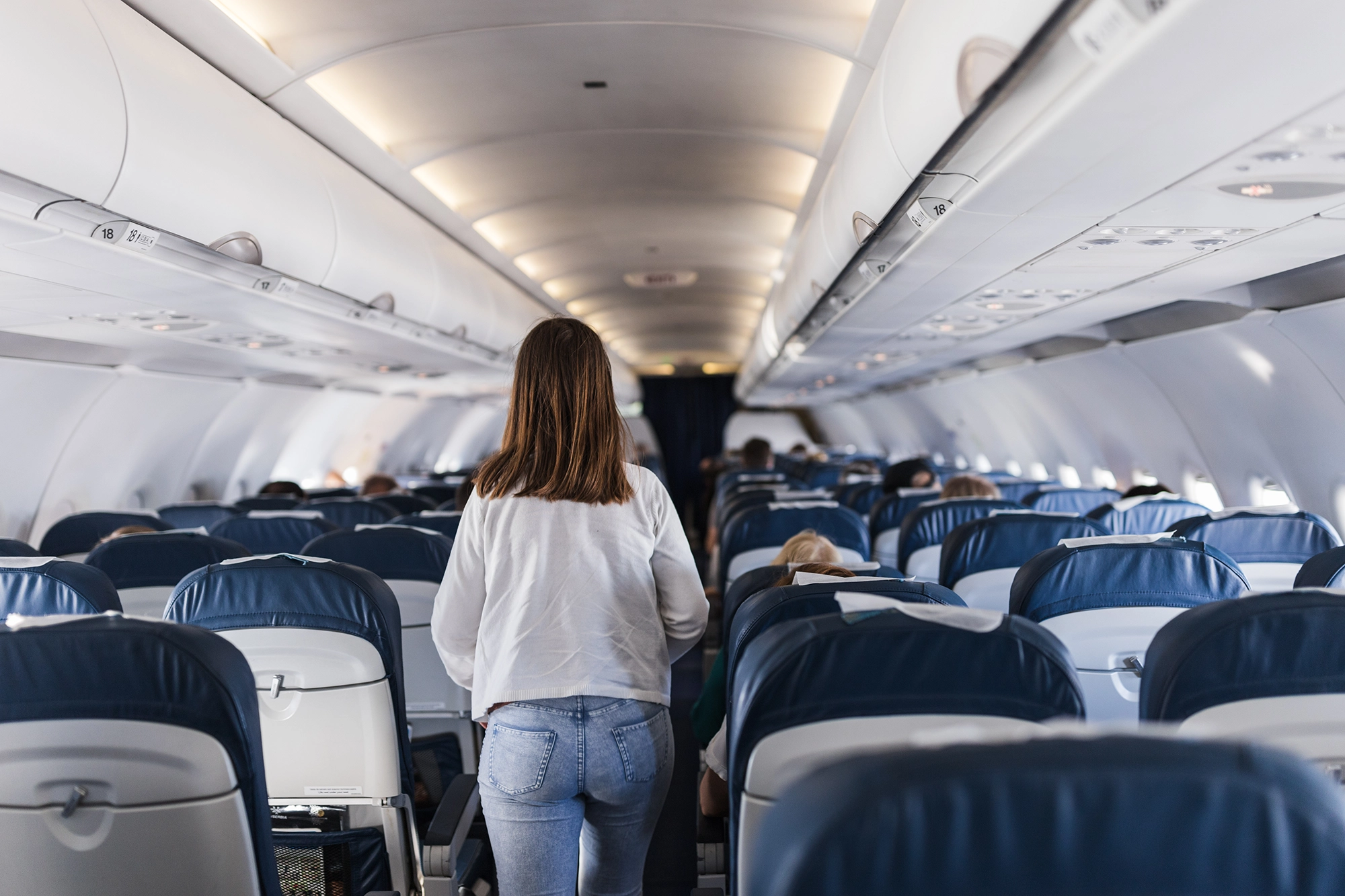
It is well known that sitting for prolonged periods is not good for the human body. Humans are built to be mobile, and constant movement is generally beneficial. This can be accomplished through regular exercise, proper ergonomics while working in an office setting, and by keeping active in all phases of life. But these commonsense guidelines are more difficult to follow if one is a frequent flyer. This is especially true if long-haul flights are involved. Sitting for prolonged periods, especially in cramped airline seats, can pose a serious health risk for many individuals. Deep vein thrombosis (DVT) is a common condition that can lead to even more serious health problems.
Simply put, DVT is a blood clot that forms in the body’s deep veins, most commonly in the legs. There are many causes of DVT, and risk factors include advanced age, obesity, previous or family history of DVT, recent surgery, and ongoing inflammatory disease. For the purposes of this article the focus is on sitting in an airplane seat for that long cross-country or international flight. If you have one of those in your holiday plans, please read on.
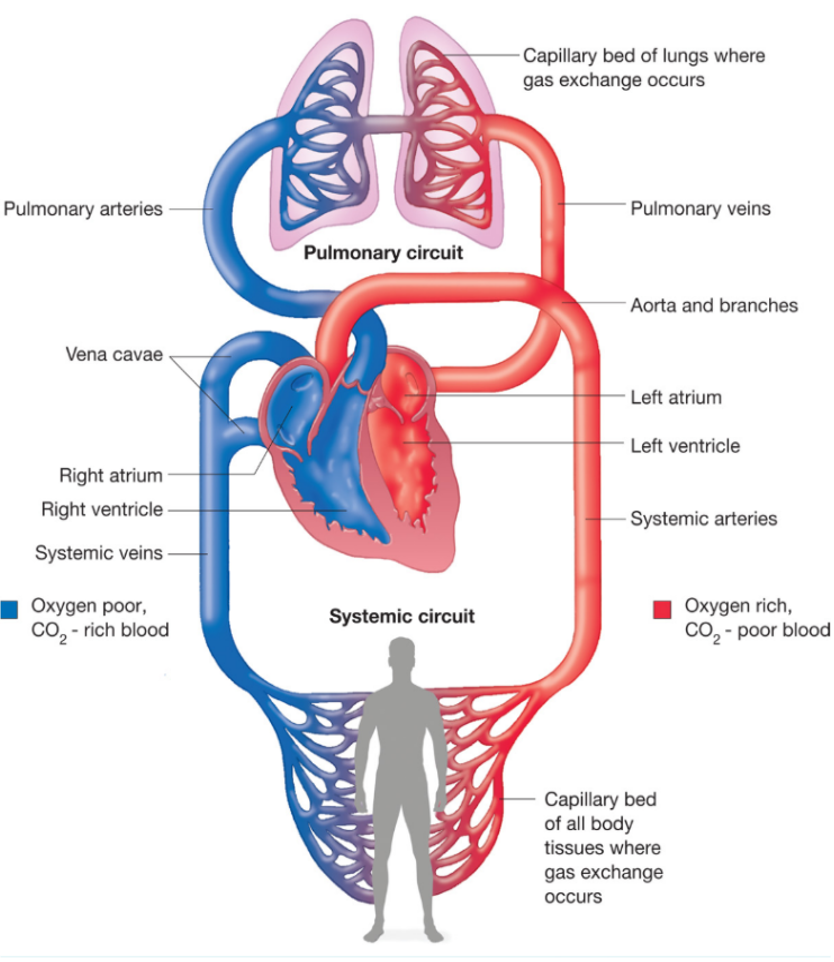
The circulatory system is a complex collection of veins, arteries, one-way valves, the heart, and the lungs. The heart is responsible for pumping blood throughout the body. It circulates oxygenated blood through the arteries to every part of the body. That blood is then returned to the heart through the veins and then pumped into the lungs for oxygenation and returned to the heart. This cycle repeats itself continuously with the average adult moving nearly two gallons of blood through the body each minute.
Blood must also be able to clot to stop blood loss during an injury. Without this clotting property a simple laceration could be life threatening. The bad news is that clotting sometimes occurs due to other factors such as stagnant blood flow. This is the case when a person is sedentary for an extended period. Blood must return to the heart from the legs and if the legs are not moving there is a likelihood of reduced flow, especially around the one-way valves within the veins. If blood is stagnant, it is much more likely to start clotting. The result is a blood clot in the vein which can cause a blockage. It can also break away and move from the lower body back to the heart and/or lungs. This is when a DVT can become life-threatening. For anyone interested in more physiological information about this process at the molecular level check out this link.
In summary, blood clots in the legs can cause blockages that injure local tissues. Localized pain, swelling, and discoloration can result. This is a significant problem, but it becomes far worse if the clot suddenly travels to the heart or lungs. The clot can then cause a heart attack or a pulmonary embolism- both are serious conditions and require swift medical intervention.
Prolonged sitting in that cramped airliner seat means the blood must fight gravity to return to the heart. It also doesn’t have the advantage of continual muscle contraction that helps move blood through the veins. Other factors specific to flying that can increase the likelihood of developing a DVT are the dry air in the cabin (10-20% humidity) and the relatively high cabin altitude. Breathing in dry air will dehydrate the system which leads to thicker blood and the lower oxygen level at a typical cabin altitude of 6,000 feet means less oxygenated blood which is more susceptible to clotting.
As mentioned above, keeping your legs moving is a key to avoiding DVT while flying. Get up out of your seat frequently- at least every two hours. Choosing an aisle seat is helpful in this effort. But you can also help yourself by simply moving your legs frequently, performing heel raises and other stretches as you sit, and avoiding crossing your legs. Keep them moving as best you can even if you can’t get up out of your seat. Drinking plenty of water will help hydrate and likely make you get out of your seat more often to use the facilities. Lastly, avoid alcohol as it can dehydrate you as well.
Wearing compression socks is often recommended to prevent DVT. These socks are tightest at the ankle and gradually loosen toward the calf and thigh. This mimics the natural pressure needed to push blood back up the leg towards the heart. This increases blood flow velocity, thereby reducing the likelihood of clotting.
Please keep these recommendations in mind if you are planning a long flight, especially if you have any of the other risk factors. Additional information about DVT, how to avoid them while flying, and compression socks can be found at these links:
· WebMD- What you Should Know About Flying and Blood Clots
· Columbia Vascular Surgery- How to Avoid Blood Clots When Flying: Advice from a Vascular Surgeon
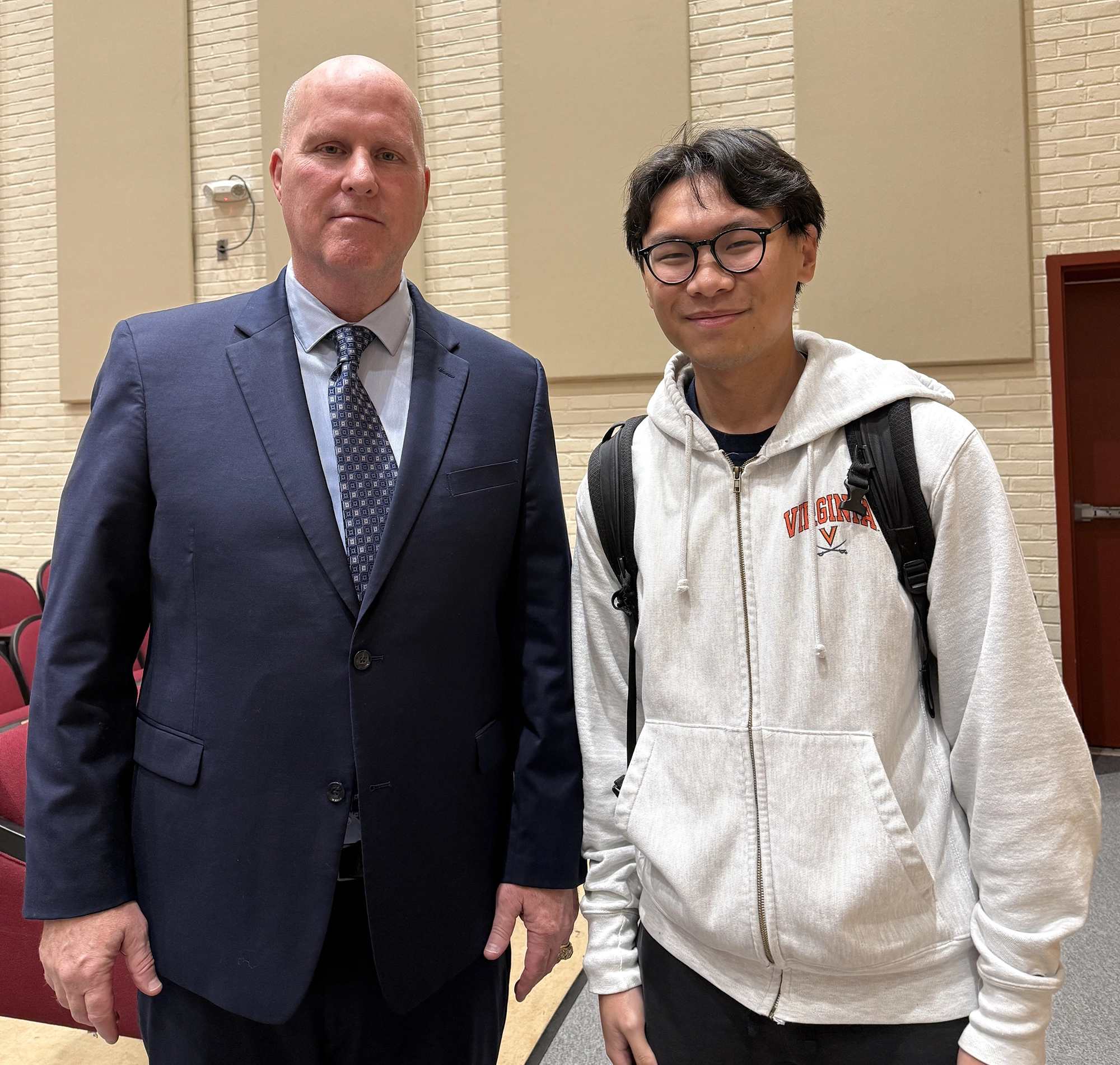
Edward, call sign Dragon, serves the Foundation for Aviation Safety as a Flight Operations Analyst. His primary role is to document and evaluate Service Difficulty Reports (SDRs) filed with the FAA and catalog all flights squawking 7700 around the world.
Edward is currently a fourth-year student at the University of Virginia majoring in Aerospace Engineering and minoring in Technology Ethics in the Engineering and Society Department.
Edward’s interest in aviation safety began during high school, when he wrote a paper titled “What was the ethicality behind the design and certification of the Boeing 737 MAX?” Already drawn to aerospace engineering and closely following developments surrounding the 737 MAX crashes, he chose to examine the ethical failures that contributed to these tragedies.
“Through researching and writing the paper, I learned about Boeing’s history, the FAA’s oversight role, and the consequences that arise when profit is placed above sound engineering principles. That experience cemented my commitment to helping build an aviation industry where ethical decision-making is standard practice and safety is never compromised.”
Edward attended a presentation by Ed Pierson during his third year at UVA. That talk reaffirmed his belief that engineering is not just a technical profession, it's a responsibility. Edward then learned about The Foundation and the intern position through the Policy Internship Program led by Professor Rider Foley. Last summer Edward was based in the DC area and attended multiple Congressional and NTSB hearings, gaining valuable experience in the oversight and investigative processes designed to keep our skies safe.
“I am deeply grateful to Ed and everyone at the Foundation for trusting me with meaningful work and for demonstrating what principled leadership in aviation truly looks like.”
We are all very proud of Edward and his contributions to The Foundation for Aviation Safety. He has a bright future as he graduates in 2026 and begins his professional career.
Editor’s note: The Foundation is actively recruiting talented college students for our volunteer staff positions. If you’re a senior or graduate student and your major is engineering, aviation, aeronautics, communications, information technology, meteorology, aviation maintenance, or related fields – please consider sending a resume to info@foundationforaviationsafety.org.
Your trust in The Foundation for Aviation Safety is vital to our work – Thank you for standing with us in advocating for accountability, transparency, and safety in aviation. If you’ve set up a donor advised fund (DAF), we’re pleased to let you know that the Foundation is eligible to receive grants via that vehicle.
Here’s how you can direct your DAF to support us:
Thank you for reading the Aviation Watchdog Report. Your continued support for the Foundation and interest in aviation safety is vital to making the industry safer for everyone.
The Foundation for Aviation Safety Team

info@foundationforaviationsafety.org
Media Inquiries: media@foundationforaviationsafety.org
1802 Vernon St NW #2213,
Washington, DC 20009
Copyright © 2026 The Foundation for Aviation Safety. All Rights Reserved.