HIGHLIGHTS


In the April issue of the Aviation Watchdog Report we offer additional information about the air quality problem on commercial aircraft. Flight attendants and pilots deserve clean air to breathe in their workplace, and airlines are obligated to provide it. There is some optimism that public pressure on industry and governmental agencies can make a difference and force the FAA to do the right thing and provide the oversight they are tasked with.
We also update readers on the latest from the LaGuardia collision and compare it to the worst aviation accident in history and their shared failures that led to tragedy. The Air India 171 crash investigation continues as we examine a new analysis that reveals compelling information about the RAT deployment on the doomed 787. Lastly, the criminal case against the Boeing Company has likely reached an unsatisfactory end as we detail the latest appeal decision.
As always, thank you for reading and for your support of The Foundation for Aviation Safety. Aviation is a dynamic industry that is very unforgiving of any neglect or complacency. We strive to inform the public of the current issues and recent developments that pose a threat to the hard-earned safety margin obtained over decades.

In the May 2025 Aviation Watchdog cover story, we covered the topic of “Aerotoxic Syndrome.” It was an extensive look at how this malady can result from exposure to air contamination on commercial aircraft. If you missed it you can find it here.
This article covers some updates and additional information. The Foundation for Aviation Safety continues to monitor the frequency of “fume events” and is calling on the FAA begin taking definitive action. The FAA and the airlines continue to ignore the potential health effects of exposure to aircraft air contamination and the problem certainly isn’t going away. If anything, it is getting worse.
A recent analysis of the FAA’s Service Difficulty Reports indicated there were a total of 501 fume events reported in the first three months of 2026. This included 247 involving Boeing aircraft and 254 from Airbus. Clearly this problem is not limited to one aircraft type or a single manufacturer. Additionally, these reports cover only a three-month period, only U.S. carriers, and only the events the airlines were aware of and were willing to report. The actual number of events is likely much higher.
A fume event is usually characterized by an odor reported by flight crew. It is often described as a “dirty sock smell.” Even though dirty socks may smell pretty foul, these odors are far more serious. Fume events vary in intensity and duration; however, they result from air contamination of some variety. They can originate from several sources including burning food in a galley or overheated electrical wiring. But the most serious chronic health concerns surround fume events related to engine or APU bleed air that is contaminated with hydrocarbons. Since bleed air is used to provide pressurized air to the air conditioning packs, any contamination from a leaking seal or bearing within the engine can be sent directly to the packs. It is sterile air (no viruses or bacteria) at this point as it is at an extremely high temperature. However, if it contains any traces of engine lubricant this contamination will end up in the cabin and/or the flight deck. Because of the extreme compression and high bleed air temperature the contaminants will not be drops of oil but pyrolyzed organophosphate-containing aerosols. If that sounds like something you should not inhale you are correct. The mixture can also contain volatile organic compounds (VOCs), carbon monoxide, and metallic nanoparticles.
This unfiltered bleed air, contaminated or otherwise, is used by the packs. Once this mixture is introduced to the cabin it will be mixed with new flow from the packs and then recirculated through HEPA filters. These filters do a fine job of removing particulate matter, but do not remove the chemicals mentioned above. Simply stated, if the bleed air contains any chemical contaminants they will end up in the breathing air within the cabin and/or flight deck. This is the source of the smell coming from air vents. The air may be extremely irritating to occupants or so minor as not to be noticed. This is one reason why not all fume events are reported; they may not even be recognized. This can be especially harmful if one of the contaminants is carbon monoxide as it is colorless and odorless.
Exposures to these chemicals can cause acute symptoms requiring immediate medical attention. These are severe cases involving significant contamination with visible smoke, vapor, and strong odors. More often these events are more subtle with less serious symptoms. However, these events pose a chronic health hazard, especially to flight attendants and pilots. These workers are exposed for long periods of time as the airplane is their workplace. With long term exposure comes chronic symptoms. This also makes the causal relationship more difficult for employees to substantiate. As airlines downplay the significance of these events, they also make any compensation or medical treatment difficult to receive. Workers’ compensation insurance is required by U.S. state law; however, the onus falls to the worker to prove the illness, or injury is directly related to their employment.
The Association of Flight Attendants (AFA-CWA) has long recognized that air quality is a significant health concern for flight crew. Their Air Safety, Health, and Security Department maintains an exhaustive resource page that includes historical examples of acute fume events, a fume event information card, reporting guidelines, and whistleblower information. AFA represents nearly 55,000 flight attendants working with 20 airlines. They are concerned about the health and safety of their members and are taking on the air contamination issue head on.
Every flight attendant—and every passenger—deserves to breathe clean, safe air while flying. But the air we rely on in flight isn’t always safe. Most commercial aircraft use “bleed air” from the engines to pressurize and ventilate the cabin, a process that can introduce toxic fumes into the air we breathe. These fume events can cause serious short- and long-term health effects, and Flight Attendants are often the first to experience symptoms.
At AFA-CWA, we believe cabin air safety is a fundamental workplace right. We’re taking action to hold airlines and manufacturers accountable and to push for industry-wide reforms that put crew and passenger health first.
(Source: https://afacwa.org/air-quality/)
Similarly, the Air Line Pilots Association, the largest airline pilots union representing 80,000 pilots at 42 airlines, is also taking on the air quality issue. Their website includes a page devoted to cabin air quality with this list of recommendations:
Stronger Cabin Air Protections Needed
To address the risks associated with contaminated cabin air, the following actions must be taken:
A recent court decision in France has given more attention to the problem and set a significant precedent. A press release from AVSA (Association des Victimes du Syndrome Aerotoxique) detailing this court order can be found here.
The Toulon Judicial Court delivered a judgment on December 19, 2025, that ordered the recognition and coverage under occupational risk legislation of a pathology attributable to chronic exposure to aircraft engine oil fumes. This means the court recognized the existence of a direct and essential link between the professional activity of an airline pilot and “central and peripheral autoimmune neuropathy with demyelinating syndrome.” Broken down, this indicates that Aerotoxic Syndrome was recognized as an occupational disease, thus requiring compensation for occupational injuries or illness related to employment. This decision is the first of its kind in the world.
Even with this encouraging court decision and the campaigns from major labor unions the issue continues to be largely ignored by the airlines and the FAA. It’s time to stop this disregard for passenger and crew safety and take definitive action. Completing the steps recommended by ALPA would be a good start. The extent of the problem can be summed up using the words of one flight attendant who became a victim of the neglect:
“The airlines and the manufacturers want you to believe ‘fume events’ are no big deal, but toxic air in my workplace made me dangerously sick. Instead of addressing a real hazard, the industry gaslights passengers and aviation workers.”
Cher Taylor,
AFA Frontier MEC Government Affairs Chair
(Source: https://afacwa.org/air-quality/)
Following the Air India 171 crash on June 12, 2025, the Indian authorities and Air India were quick to reassure the public that there was no indication of an aircraft systems failure. The Air India Boeing 787s were “inspected” and were deemed to be safe to fly. The natural question that followed was “what did they look for and how do they know the aircraft are safe?” No definitive answer was given but the narrative was planted—there’s nothing to see here, the Dreamliner can keep flying and Boeing can continue to promote how safe their airplanes are. Many across the industry were skeptical given the circumstances of the crash but those concerns were further dismissed a month later.
The Aircraft Accident Investigation Bureau (AAIB) issued a preliminary report 30 days after the crash. As has been well publicized, this report seemed to speculate on the cause of the crash. It appeared to indicate that one of the pilots intentionally moved the fuel cutoff switches from “run” to “cutoff.” However, the language was vague, and very few additional details were included. Although preliminary reports do not publish any conclusions or determine accident causes, this report made implications that can easily be taken out of context or interpreted in multiple ways. It was unprofessional at best, misleading and manipulative at worst.
In the months that have followed there has been significant pushback from the Indian public, crash victim families, the professional pilot unions, and from the Indian media at large. Deep criticism of the AAIB, Air India, and the Directorate General of Civil Aviation (DGCA) is common. The Foundation for Aviation Safety has been attempting to provide the AAIB with whistleblower documents that relate to the accident aircraft, VT-ANB, and its long history of electrical malfunctions including a major fire. After months of frustration, we have finally confirmed the AAIB is in possession of these documents. One can only hope they examine them carefully, identify the significant electrical system malfunctions, and evaluate how these could have led to a dual engine shutdown. The 787 electrical system is complex, and many safety advocates have proposed plausible explanations as to how this could happen. It is far more complicated than simply moving a switch to cutoff. If we consider the possibility that the pilots did not shutdown the engines, then we have to look for failure modes that could explain this accident.
Now another safety organization has issued an opinion piece that questions what happened to the aircraft and when it happened. The Safety Matters Foundation in India has published “A forensic reconstruction of the Ram Air Turbine deployment on Air India Flight 171.” This extensive study involved available photographic information paired with the flight data recorder data released by the AAIB in the preliminary report. Their conclusion is striking and poses serious questions about the 787 systems just after takeoff. The timeline is important and summarized below. If accurate, this timeline indicates the RAT deployed 2.5 seconds prior to the fuel cutoff switches transitioning. This would indicate that a catastrophic system failure began well before the fuel stopped flowing to the engines. Below is an excerpt from the analysis:
This investigation reveals the inherent problems with the international aircraft crash investigation process. The Indian government is responsible for investigating the crash but was also responsible for Air India maintenance. Boeing has a vested interest in deflecting any responsibility for the crash, yet they are technical advisors to the investigation. Information is controlled by a small group of individuals that inevitably have ulterior motives to steer investigations in their direction. As always, it becomes very easy to blame dead pilots and attempt to reassure the public that the airplanes are safe. This process seems to be drawing from the same playbook used after the MAX crashes. The similarities are striking as well as troubling.
The ICAO Annex 13 standards were written decades ago and, in this day and age, there is a better way to conduct investigations with integrity and expertise. The Foundation for Aviation Safety is actively exploring ideas that could provide a new system that would solve these insidious shortcomings. Reach out to us at info@foundationforaviationsafety.org if you’d like to join this effort.
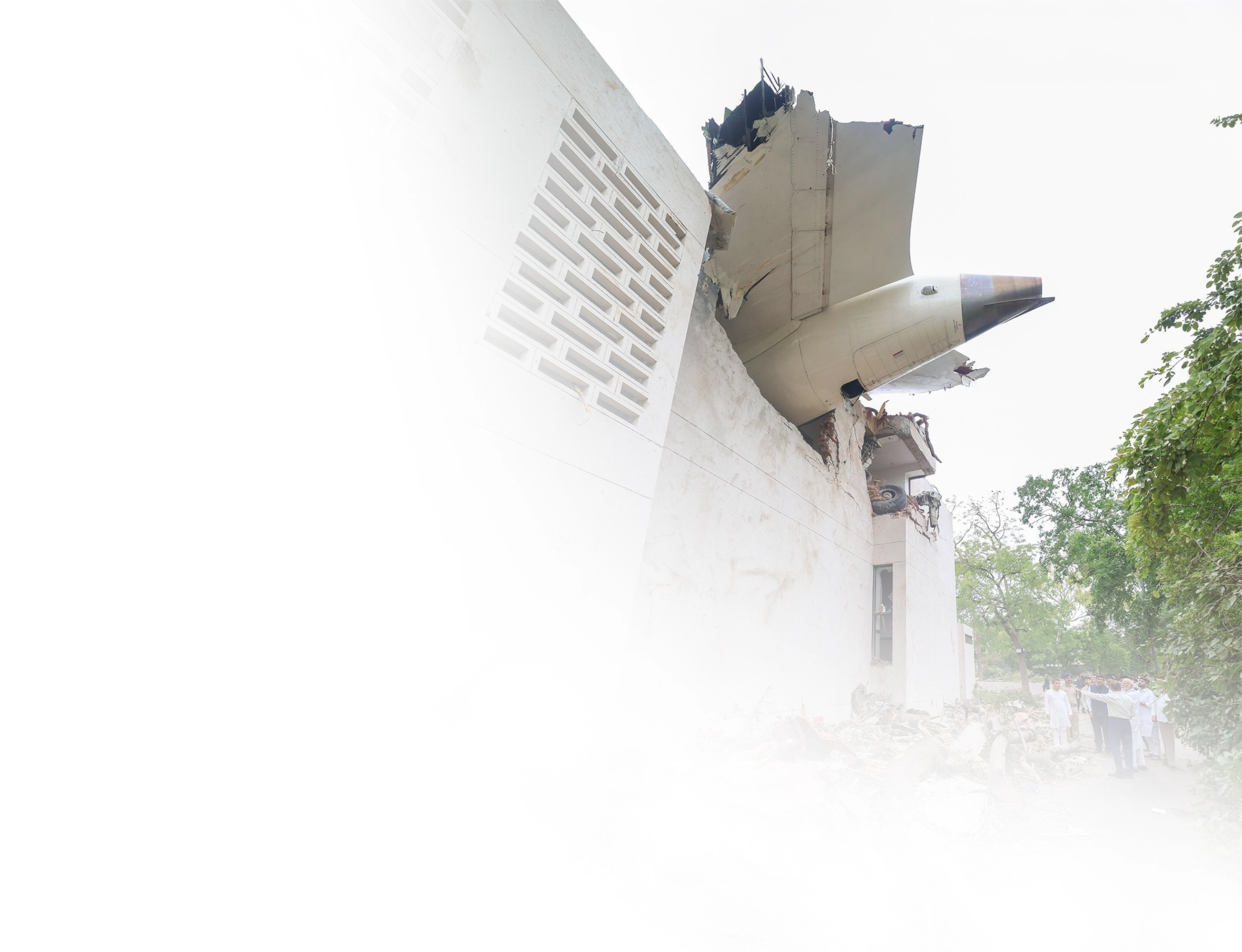
On March 31, 2026, the criminal case against Boeing took another decisive turn–and not in the direction that was hoped for. The case, United States v. The Boeing Company, has repeatedly disappointed victims’ families and observers across the globe, and unfortunately, this latest decision was no exception.
Recap of the Criminal Case
Following the two Boeing MAX crashes in 2018 and 2019, the Department of Justice (DOJ) investigated Boeing and, in 2021, charged the company with one count of conspiracy to defraud the United States. Prosecutors at the DOJ had determined that Boeing employees intentionally misled the Federal Aviation Administration during the certification process of the then-new 737 MAX 8 aircraft.
Simultaneously, Boeing and the DOJ entered a Deferred Prosecution Agreement (DPA), giving Boeing the opportunity to avoid prosecution as long as it complied with certain conditions. When Boeing later failed to meet those conditions, the possibility of prosecution was revived.
However, instead of moving forward with criminal accountability, the DOJ shifted course. In 2025, it entered into a Non-Prosecution Agreement (NPA) with Boeing. Unlike the earlier DPA, this type of deal allows Boeing to avoid even the possibility of prosecution and legal accountability, often including dropping any existing charges altogether. In accordance with that agreement, the DOJ asked the court to drop the criminal charge against Boeing. In November 2025, the court granted this request, effectively dismissing the criminal case.
The February Newsletter covers this case in greater detail.
The Appeal
Victims’ families appealed the District Court’s decision, asking a higher court to review it. Oral arguments were held on February 5, 2026, before the Fifth Circuit Court of Appeals in New Orleans. Since then, a decision has been anxiously awaited. At the end of March, the court issued its ruling– and unfortunately it upheld the District Court’s decision to dismiss the charge.
To understand the weight of that decision, it helps to clarify what an appeal is and what it is not. An appeal is not a new trial. Instead, it is a review of a lower court’s decision in which the Court of Appeals examines the record for any legal error. Its role is to identify and correct mistakes in how the law was applied, serving as more of a quality check than a do-over. In most cases, appellate decisions are final.
Most commonly, appellate courts reach one of three outcomes:
In this appeal, families raised many arguments centered on the claim that the Department of Justice had violated their rights under the Crime Victims’ Rights Act (CVRA). The CVRA, as discussed in an earlier newsletter, is designed to ensure that crime victims are afforded specific rights in criminal proceedings. It guarantees rights like the right to confer with prosecutors, the right to be heard, the right to be treated with fairness and respect, and the right to be informed of proceedings.
The court addressed three of the issues raised.
First, the 2021 Deferred Prosecution Agreement
The families argued they were not properly consulted (as required by the CVRA) before the DOJ entered into the original Deferred Prosecution Agreement with Boeing.
The court, however, found this issue to be “moot”, meaning it was no longer legally relevant, because Boeing’s 2024 breach of the DPA effectively rendered that agreement inactive. As a result, the court held that challenges to the original DPA were not found to be applicable.
The court also rejected the families’ concerns about the similarities between the original DPA and the later NPA. The families argued that because the DPA was created without honoring their right to confer, its shaping of the NPA is unjust. The court disagreed, holding that provisions in the newer agreement are “not suspect merely because they appeared in a prior DPA”.
Second, the 2025 Non-Prosecution Agreement
In challenging the 2025 Non-Prosecution Agreement, the families again argued that the DOJ violated their rights under the CVRA.
They claimed the agreement should be set aside because prosecutors failed to properly confer with them before deciding how to proceed after Boeing breached the DPA. On top of this, families contend they were given misleading information.
In response, the DOJ pointed to a May 2025 meeting they held with families, asserting that this meeting satisfied its obligations under the CVRA. The court agreed, finding no CVRA violation had occurred.
Third, the dismissal of the criminal charge
The families contended that dismissing the case entirely is contrary to the public interest.
However, the court declined to address the substance of that argument, concluding that the CVRA does not give the Court of Appeals the authority to substantively review a lower court’s decision on a motion to dismiss. In other words, the court found it simply lacked the jurisdiction to evaluate whether dismissing the case itself was the right decision.
What This Means Going Forward
Taken together, the court’s reasoning avoided directly confronting the broader question of accountability. Instead, it danced around the central issue. One claim was dismissed as moot, another was rejected on shaky grounds, and a third was deemed outside the court’s authority to review.
While disappointing, the result is clear: the dismissal of the criminal charge remains in place. Boeing will not face criminal prosecution. The company has, at least for now, escaped criminal accountability for its role in the death of 346 innocent people.
Still, families continue to fight for what may be their last chance to remedy this disappointing decision.
Litigants are guaranteed one appeal. After that, any further review is discretionary, meaning a court must first agree to hear any additional appeal. At this stage, there are two primary options: petitioning the Supreme Court of the United States or requesting an “en banc ” review from the Fifth Circuit. An en banc review means the case is reheard by all active judges on the circuit, rather than the original three-judge panel.
The likelihood of either court agreeing to review the case, let alone ruling in favor of the families, is slim. Nevertheless, there’s a chance. Families and their counsel have chosen to keep fighting. On April 14, 2026, families petitioned the Fifth Circuit for en banc review. If the court grants review, the broader circuit court will reconsider the case. If it declines, this may mark the end of the road.

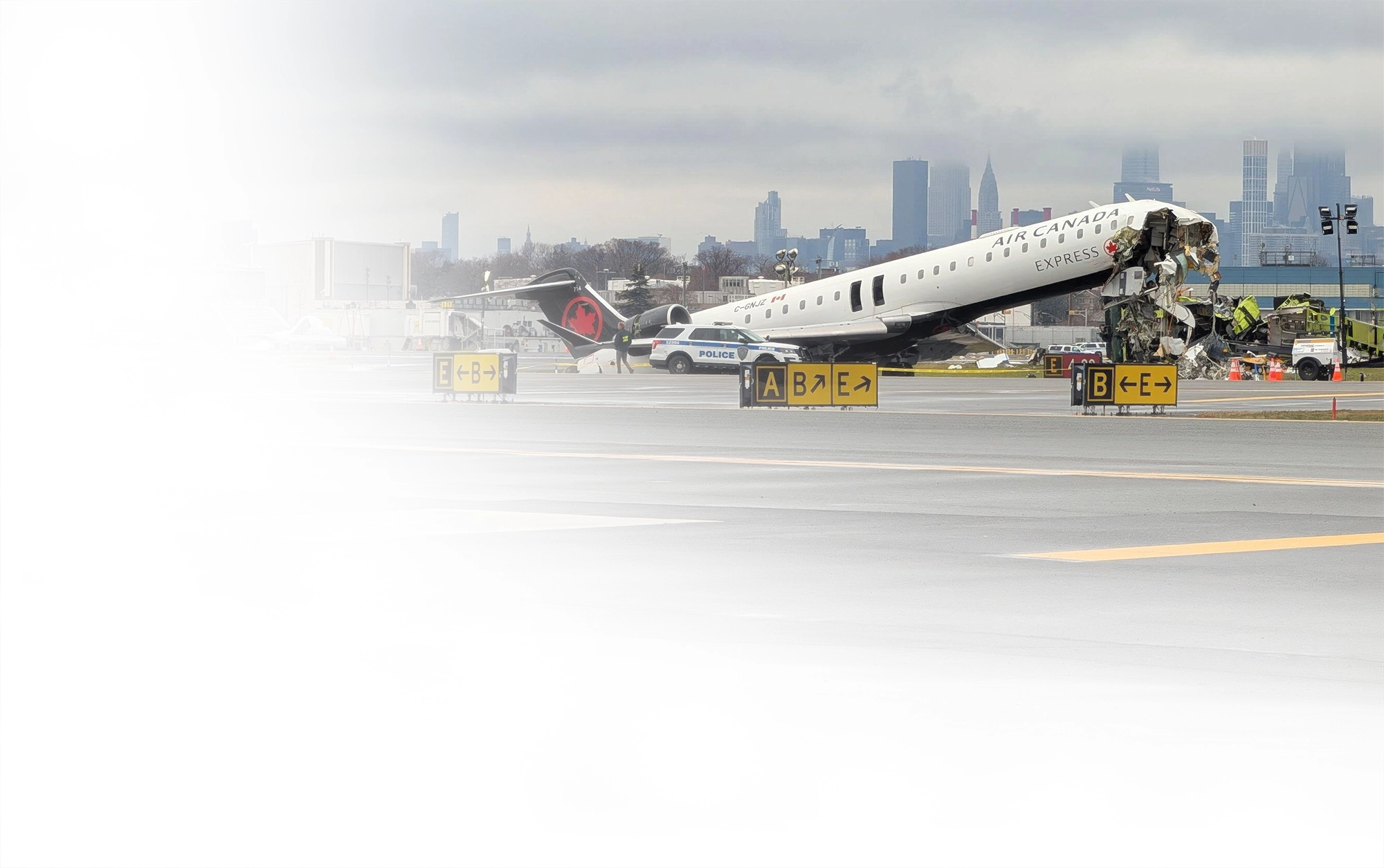
On March 22, 2026, five Airport Rescue and Firefighting (ARFF) Trucks, one airstair truck, and one Port Authority Police vehicle were cleared to cross RWY 4 at LaGuardia when disaster struck. An Air Canada regional jet, Jazz Aviation LP 646, a CRJ-900, had just landed on RWY 4 and collided with one of the firetrucks killing both pilots of the regional jet. The vehicle had crossed an active runway to respond to a separate emergency involving a fume event on a United Airlines 737 MAX-8 located on a taxiway near Terminal B. LaGuardia is equipped with the surface detection system ASDE-X. However, human error combined with incomplete installation of this technology resulted in this fatal collision. The NTSB has issued its Aviation Investigation Preliminary Report. Elements of this report will be referenced in this article.
This tragedy in New York brings to mind the worst aviation accident in history. On March 27, 1977, 583 people were tragically lost at Los Rodeos Airport on the island of Tenerife (now called Tenerife North–Ciudad de La Laguna Airport) in the Canary Islands when two Boeing 747s collided on the runway. This was a disaster created by miscommunication, schedule pressure, and ultimately an aircraft beginning a takeoff roll before the runway was clear. The similarities between these tragedies are not surprising but are certainly frustrating. Learning from our mistakes is essential to continually improve aviation safety. Nearly five decades and tremendous technological advances lie between these two events; however, both share the same essential failures.
The FAA defines a runway incursion as "Any occurrence at an aerodrome involving the incorrect presence of an aircraft, vehicle or person on the protected area of a surface designated for the landing and takeoff of aircraft." The protected area includes the runway, runway safety areas, obstacle-free zones, and the airspace immediately above them.
Incursions typically originate from three sources. As the FAA also describes, these are operational incidents, where an air traffic controller's action is at fault; a pilot deviation, in which a flight crew violates FAA regulations; and a vehicle/pedestrian deviation, where a vehicle or pedestrian enters movement areas without authorization.
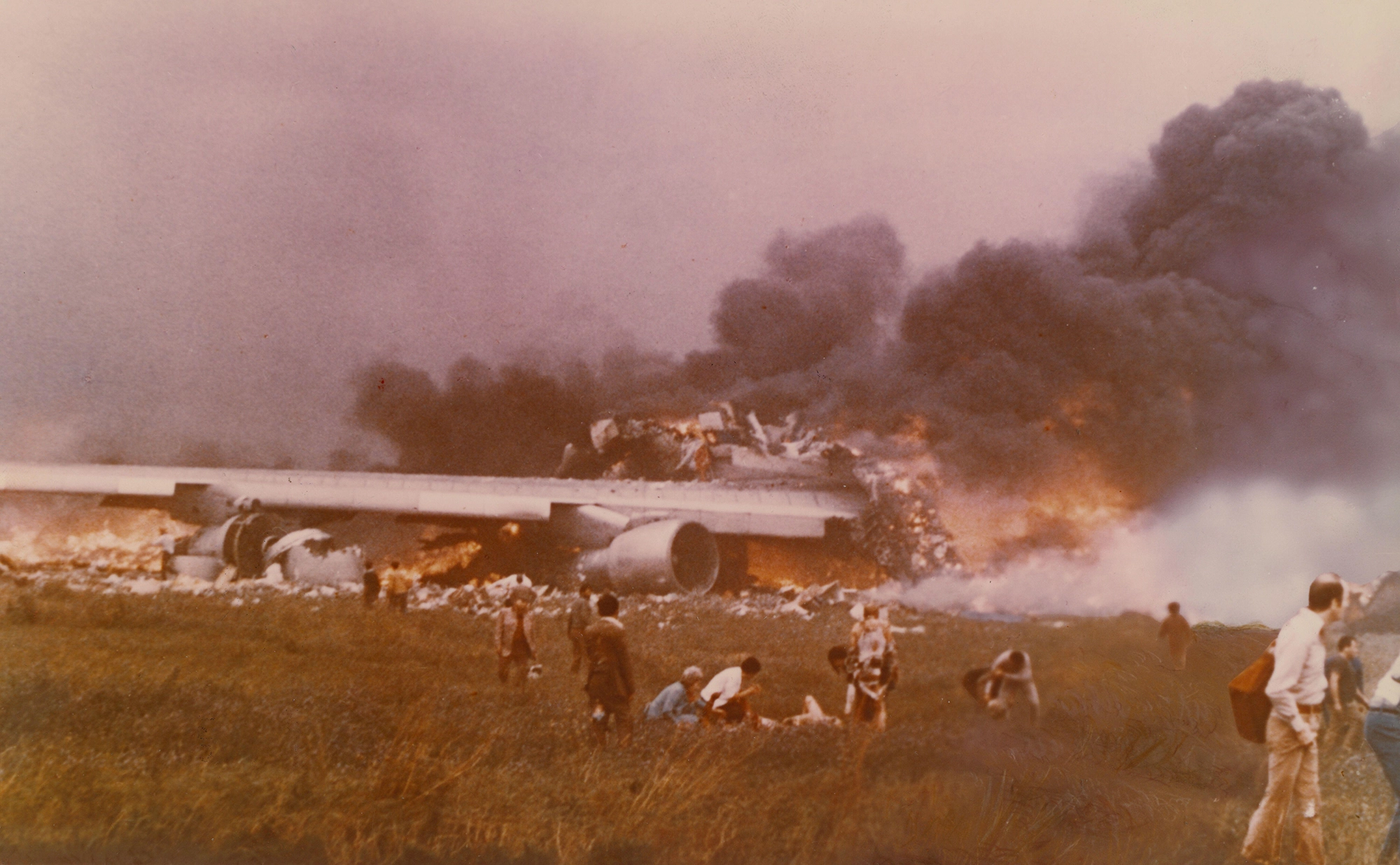
The collision at Los Rodeos Airport was the significant event that began runway incursion prevention. 583 people died when KLM Flight 4805 collided with Pan Am Flight 1736. There were 61 survivors aboard the Pan Am flight. It is still the deadliest aviation accident in history. Its cause, at the core, was a runway incursion.
Background
During that afternoon, neither accident aircraft was supposed to be at Los Rodeos. Both 747s had diverted from Gran Canaria Airport after a bombing briefly closed that airport. Los Rodeos, a smaller airport with a single runway and limited taxiway capability, filled rapidly as a result.
As Gran Canaria reopened and the diverted flights began to depart Los Rodeos, the single runway also served as the primary taxiway route for aircraft. Dense fog had reduced visibility to approximately 300 meters. Both KLM 4805 and Pan Am 1736 were instructed to back taxi along the runway itself. The KLM 747 reached the departure end and readied for takeoff. After informing the tower of their position, the KLM captain initiated the takeoff roll without receiving explicit clearance from the Los Rodeos tower. Los Rodeos tower said “Okay,” not understanding that the pilot was requesting takeoff clearance. Although the flight engineer expressed uncertainty about whether Pan Am cleared the runway, the captain dismissed the concern. The Pan Am aircraft was still back taxiing when the collision occurred.
The Spanish Investigation
The investigation was conducted by Spain's Subsecretaria de Aviacion Civil. Its findings assigned primary responsibility to the KLM flight crew and identified the following specific failures:
• KLM 4805 initiated a takeoff roll without receiving or confirming ATC takeoff clearance.
• The crew did not comply with tower's instruction to stand by
• The KLM captain stated his belief that the runway was clear
• Radio transmissions from Pan Am and the tower occurred simultaneously at a critical moment
A significant factor also involved Dutch civil aviation regulations. The Netherlands had recently revised crew duty time limitations. This changed the maximum hours a crew could operate an aircraft before being legally required to go off duty. Captain van Zanten of the KLM 747 was believed to be aware that a further delay would exceed their hours limitation, and as a result, strand the aircraft and its passengers overnight in Tenerife. Investigators and additional analysts believed that this pressure influenced his decision to begin the takeoff roll before receiving an unambiguous clearance, though the Spanish authority did not acknowledge this factor as a formal finding.
Changes Following Tenerife
The Tenerife disaster did not result in the immediate widespread adoption of runway detection technology. This change would come decades later. However, it did produce a fundamental transformation in cockpit culture with the formal adoption of Crew Resource Management (CRM). This accident illustrated that captains were not infallible. Even those most experienced can make a fatal decision if junior crew members felt unable to challenge authority. Standard phraseology for ATC communications also changed internationally. ICAO mandated the specific language for clearances and required pilots to read back all runway entry and takeoff clearances.
Runway incursion prevention continued to improve over the decades. However, technology capable of detecting conflicts on the airport surface and alerting controllers was not common at major U.S. airports until the mid-2000s.

On the evening of March 22, 2026, a United Airlines Boeing 737 MAX-8 reported a fume event in the cabin which triggered a standard airport response. The 7 vehicles responded and the lead ARFF truck (Truck 1) called for, and was cleared by ATC, to cross RWY 4. Although all 7 vehicles were included in the clearance, only Truck 1 proceeded to cross. Simultaneously, the Jazz Aviation CRJ-900 was on short final. The collision occurred and both pilots of the CRJ-900, Antoine Forest and Mackenzie Gunther, were killed on impact. 39 passengers and crew sustained injuries, 6 serious.
The ARFF truck carried no surface transponder. ASDE-X showed two radar returns on the runway, but the system did not issue an alert because the truck could not be identified and its conflict status could not be confirmed. An excerpt from the NTSB preliminary report explains this well:
Without transponder-equipped vehicles, the ASDE-X system could not uniquely identify each of the seven responding vehicles or reliably determine their positions, or tracks. As a result, the system was unable to correlate the track of the airplane with the track of Truck 1 (or any of the other vehicles in the group) and did not predict a potential conflict with the landing airplane.
The 1977 Tenerife disaster resulted from communication failures and/or stepped on radio transmissions, unusually high operational tempo, and poor visibility. Similarly, at LaGuardia in 2026 factors that resulted in this accident include stepped on transmissions and less than ideal visibility and runway conditions (although VFR). However, modern technology should have prevented this accident. More on the modern technology capabilities and shortcomings next.
Airport Surface Detection Equipment – Model X (ASDE-X)
The Airport Surface Detection Equipment, Model X (abbreviated as ASDE-X) is the FAA's primary runway safety surveillance system. Developed in the early 2000s as a cost-effective successor to older ASDE-3 radar-only installations, ASDE-X is deployed at 35 of the busiest airports in the United States. LaGuardia Airport (LGA) is among them; see the entire list here.
ASDE-X works by fusing data from multiple sources into a single, continuously updated display that controllers see in the airport tower. The sensor inputs include:
By fusing these four data streams, ASDE-X produces a color display showing every aircraft and transponder-equipped vehicle on the airport surface on a precise map of all runways, taxiways, and approach corridors. The system is especially valuable at night and in IFR conditions.
A significant enhancement to ASDE-X is Safety Logic or the automated software that continuously evaluates and predicts paths of all tracked targets. Furthermore, it issues visual and audible alerts when it detects a potential runway conflict, giving the controller time to intervene before a collision occurs. The FAA has not announced any intentions of expanding ASDE-X beyond the 35 airports.
Despite the risks involved, the vehicles at LGA do not have transponders and this greatly inhibits ASDE-X. Even so, according to the NTSB the Runway Entrance Lights (RELs) were operative and visible to the vehicles about to cross RWY4. Those red lights should have alerted the ARFF drivers that there was a runway incursion situation at the time of the accident. ASDE-X automatically turned on the red lights based upon the position of the CRJ:
A review of airport surveillance video recordings revealed that the RELs illuminated for the arrival of the accident airplane, as Truck 1 and company were stationary in the vicinity of the taxiway AA and taxiway D intersection, about 300 ft away from the runway 4 hold short line on taxiway D. The RELs on taxiway D remained illuminated until about the time Truck 1 reached the (near) edge of runway, when they extinguished, about 3 seconds prior to the collision.
ADS-B Airport Surface Surveillance Capability (ASSC)
ASSC is the next generation of surface surveillance system. It was developed as part of the FAA's NextGen modernization program to transmit surface traffic information to the controller's tower display and supported aircraft cockpits. Pilots with compatible avionics can see other aircraft and ground vehicles on a cockpit moving-map display, providing an additional layer of situational awareness that does not exist under ASDE-X alone.
ASSC uses the same fundamental sensor foundation as ASDE-X such as surface radar, multilateration, and ADS-B fusion. However, it does not require the older ASDE-3 radar.
The distinction remains incredibly important. While ASDE-X informs controllers, ASSC also informs the flight crews. A pilot who can see a ground vehicle approaching an active runway on a cockpit display effectively has a second set of eyes that may aid evasion. At LaGuardia in 2026, neither the tower ASDE-X system nor the CRJ-900 flight deck had any mechanism to identify and warn about the approaching truck. However, the radio clearance for Truck 1 to cross the runway was heard on the recovered CVR although it is unclear if the pilots heard the radio calls or recognized the significance if they did hear them. ASSC could have been a key factor in preventing this accident; however, it is only installed at 9 major airports within the U.S. This illustrates one of the many failures of the NextGen program.
The FAA's New Air Traffic Control System Plan
In 2025, the FAA published its "Brand New Air Traffic Control System Plan," a comprehensive blueprint for replacing outdated agency infrastructure. The plan acknowledges that Surface Movement Radar, the sensor hardware at the heart of ASDE-X and ASSC, is critical to airport safety. Additionally, the current radar fleet is aging beyond intended service life.
The new plan calls for installing surface-movement radars to provide clear tracking of planes and vehicles on airport surfaces. Additionally, the plan also outlines replacement of aging enroute radars, conversion of copper telecommunications to fiber and wireless systems, replacement of voice switches, and deployment of the Terminal Flight Data Manager system to replace paper flight strips in airport towers with integrated digital displays.
Importantly, the plan does not replace ASDE-X or ASSC. Instead, this plan intends to fortify those systems. The modernized surface movement radar capability would feed into the existing ASDE-X and ASSC models. Under the current trajectory, complete modernization of surface movement radar infrastructure would not be completed until the late 2030s, despite Secretary Duffy’s wishes to have the system complete by 2029.
None of the individual contributing factors at LaGuardia were new topics of conversation. The absence of transponders on airport fire response vehicles is well known to be problematic at multiple ASDE-X airports. High air traffic controller workload is also an acknowledged safety risk. Simultaneous radio transmissions are common at high traffic airports. This March 22nd accident demonstrated that although technology is designed to eliminate human error there is no guarantee it will actually work that way in all cases. Technology is a resource, it’s not a panacea.
Runway safety is one of the oldest and most persistently unresolved challenges in commercial aviation. The Tenerife disaster showed the world what can happen when an active runway is occupied by one aircraft while another is landing or taking off. Decades of procedural and technological improvements have resulted in significant progress. However, there are still over 1,000 runway incursions reported in the U.S. every year. The LaGuardia accident reminds us that technology is helpful only when properly designed, installed, and operated correctly.
A classic chain of events led to this tragedy. Multiple human errors, technology failures, less than ideal weather, a distracting ground emergency, and only two air traffic controllers managing busy operations at a time when things usually slow down.
Our hearts go out to the people involved in this accident and their families. Aviation is extremely demanding and unforgiving. We have the technology to prevent these tragedies, and we call on the FAA to proceed quickly and diligently as the Brand New Air Traffic Control System is implemented. The current system has been neglected for decades and is now pushed beyond reasonable safety limits. But people need to remain vigilant as well. Never let complacency or over-confidence become one of the links in the accident causation chain.
Your trust in The Foundation for Aviation Safety is vital to our work – Thank you for standing with us in advocating for accountability, transparency, and safety in aviation. If you’ve set up a donor advised fund (DAF), we’re pleased to let you know that the Foundation is eligible to receive grants via that vehicle.
Here’s how you can direct your DAF to support us:
Thank you for reading the Aviation Watchdog Report. Your continued support for the Foundation and interest in aviation safety is vital to making the industry safer for everyone.
The Foundation for Aviation Safety Team

info@foundationforaviationsafety.org
Media Inquiries: media@foundationforaviationsafety.org
1802 Vernon St NW #2213,
Washington, DC 20009
Copyright © 2026 The Foundation for Aviation Safety. All Rights Reserved.