HIGHLIGHTS


Welcome to the March edition of the Aviation Watchdog Report. This month we continue to cover the legal quagmire surrounding the Boeing Company. The civil case filed by 737 MAX crash victim families and another by Boeing shareholders alleging the concealment and misrepresentation of the safety issues with the 737 MAX are progressing.
In our cover story we explore the topic of “normalization of deviance” and the declining safety margin in commercial aviation. Lastly, we invite you to read about the challenges of flying with children and how planning ahead can reduce the most difficult problems.
Thank you for your interest in aviation safety. From everyone at the Foundation we thank you for your support; we couldn’t do what we do without it. As the weather warms up and the days become longer, we wish you this timeless sentiment on the season: “Spring teaches us that improvement begins quietly — one small change, then another, until the whole landscape is transformed.” Together we can do the same as we work to make aviation safer for all.

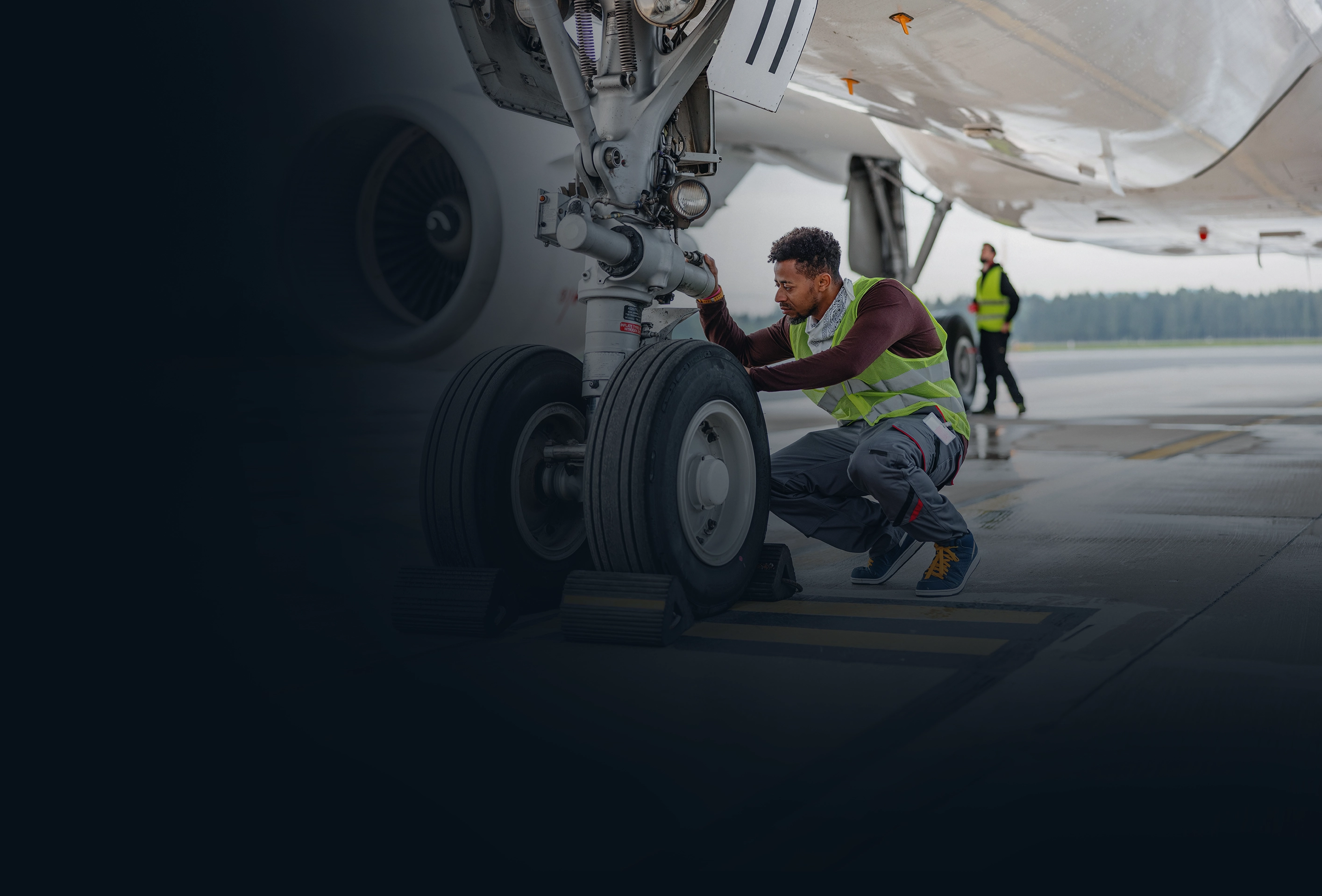
For many years, commercial aviation has depended on multiple layers of safety, especially in aircraft design. Structures are expected to handle 150% of their maximum load before failing, a "1.5 safety factor” which has been a core rule for airworthiness since the early FAA and ICAO days. While this remains the official standard for designing and building planes, in reality, the industry is gradually accepting deviations from these, and other norms, and the safety margin seems to be shrinking. When this involves safety practices the likelihood of serious problems increases.
Normalization of deviance is the process by which an organization or group gradually accepts behavior or conditions that deviate from established safety standards, because nothing bad has happened yet. Over time, the abnormal becomes treated as normal. Once a rule is bent or a shortcut is taken it can then become routine. As time passes an organization can forget it’s a deviation at all. It’s the new normal and safety has been compromised with no one taking notice.
Keep in mind that prior to the 2026 DCA crash, U.S. airlines experienced an unprecedented 17 years without a fatal accident. That is an outstanding safety record; however, it is exactly the scenario that would lead to the acceptance of deviance. Also remember that during this time frame there were two 737 MAX crashes overseas. These tragedies should have raised alarm bells throughout the aviation industry. Disappointingly, today we see no substantial change in the safety margin. In fact, if anything it has continued to decrease.
An analysis of current Airworthiness Directives reveals that the commercial airline fleet is plagued with structural and operational defects that should not exist if the engineering and manufacturing standards historically required were adhered to today. The list is long and includes fan and compressor blades made of contaminated alloys, extensive water leaks in electronic bays (a known 787 issue dating back to at least 2016), chaffing wire bundles, horizontal stab trim motor failures, corrosion occurring far earlier than forecast, unauthorized sealants failing, and emergency slide deployment malfunctions to name a few. Even when the FAA issues an AD to address these issues they lack urgency as compliance times are often years in the future. These are only a few of the hundreds of hazards that pose safety concerns but are continually downplayed by industry and only marginally addressed by the FAA.
The Foundation for Aviation Safety has long warned of rising noncompliance with procedures and standards. The FAA’s certification process frequently approves exemptions to existing regulations or simply fails to catch significant problems in design or manufacture. The streamlining of the regulatory process effectively means a less stringent compliance standard. Most notably the 737 MAX’s non‑compliant crew alerting system does not meet modern Part 25.1322 alerting requirements. Even more unimaginable is how the certification of the 737 MAX engine anti-icing, yaw damper, and LRD systems were completed. These systems have serious flaws, and are identified hazards that could result in catastrophe, yet fixes have not been implemented. Somehow, the aircraft was certified, then recertified (after the aforementioned MAX crashes), and today continues in service with these flaws. This insidious degradation of the design standards and the erosion of operational and regulatory buffers is what many experts now describe as a subtle but measurable compression of the overall safety margin in commercial aviation.
The January 2025 DCA midair exposed how ATC staffing shortages, aging infrastructure, and a fragmented oversight culture have collectively thinned the safety margin in the National Airspace System. Chronic understaffing has left key facilities operating with too few certified controllers. This is not a new development, yet the FAA has failed to correct the situation. This is forcing overtime, combined positions, and fatigue‑inducing schedules that erode vigilance. At the same time, outdated radar and alerting systems—modernized only in patches—struggle to keep pace with rising traffic complexity, producing nuisance alerts and reducing the effectiveness of conflict‑detection tools. Layered on top of this, the FAA’s shift to a data‑driven oversight model depends on accurate reporting and strong safety culture, yet at DCA the repeated loss‑of‑separation events were underreported, misclassified, or never escalated, allowing systemic risk to remain hidden. Together, these factors created a brittle environment in which errors propagated further before intervention, ultimately revealing how operational and regulatory buffers have quietly eroded even as the system outwardly appeared stable.
Airlines are always touting safety as a “number one priority.” However, that usually comes after a safety related incident and is used to deflect attention away from what went wrong, specific actions taken to correct the issue, and how they will prevent it from happening again. Formal messaging in day-to-day operations is much more often focused on service-related excellence. Mission statements and PR publications convey similar messages across major airlines. For example, United says they are “Connecting people. Uniting the world." And Delta says “No one better connects the world.”
So, the airlines will connect you to the world. However, the public must assume these airlines make safety a priority since they don’t actually express that sentiment. Of course, lip service doesn’t make an operation safe. But including it in every communication does reflect a higher level of awareness and commitment to safe practices. Instead, the messaging is about service, and the real mission is to be as profitable as possible. Profit is important, but the lack of focus on safety makes profitability much more difficult in the long run.
In recent conversations with airline crews and maintenance personnel, it became clear that some airlines are reluctant to address or share safety issues with employees. Additionally, when crew members do speak up about safety issues they are marginalized and no corrective action is taken. In an organization with a poor safety culture the focus always turns to production. “Get the job done” is the mantra and employees are expected to do just that and nothing more. This can only lead to lower morale and poorer operational performance. This is precisely the opposite of what the airlines want. Rather than acknowledge the safety risks, the culture has accepted those risks as normal.
Safety is not just a slogan or a reminder at the beginning of a shift to “be safe out there.” Safety success can come only with unyielding vigilance by everyone operating in the system. Accountability must be maintained without exception. Without strong leadership a safety culture will decline, profit margins will become more important, and political factors can have undo influence. Safety isn’t just about following the regulations; it’s about doing the right thing to protect people. Simply adhering to the rules is the absolute minimum. Aviation professionals must be better than that, especially when the regulations are riddled with exceptions, exemptions, and haphazard enforcement.
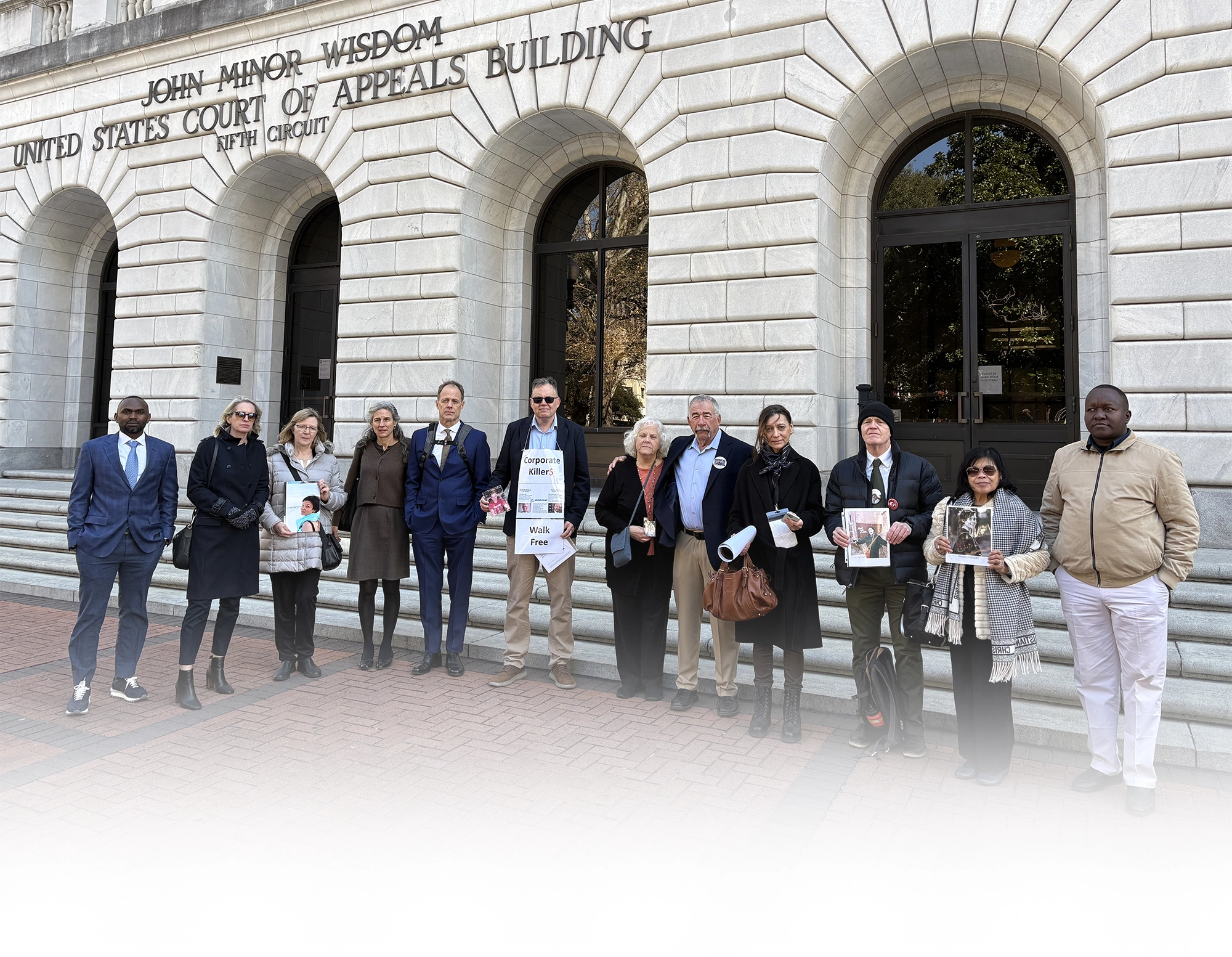
In the April 2025 edition we wrote about travelling with children concerning their safety while in their seats. Subjects included using car seats, flying with “lap children,” (the Association of Flight Attendants has opposed allowing small children to sit on parent’s laps for decades) and using other restraint devices based on the child’s age. Click here to read that story.
This article covers additional topics that are important to families planning to fly with young children or putting them on an airline flight unaccompanied. Both scenarios happen many times every day, but both require a lot of planning beforehand.
For parents, and most adults, it would seem a “no brainer” that federal law would require that children, specifically those 3-11 years old, be seated with their parents or guardians when flying together. Imagine the potential disruption, emotional distress, and safety impacts resulting from a 3-year-old child being separated from their parents on a plane full of strangers. An unthinkable scenario to be sure. Actually, it is not that uncommon and there are no regulations to prevent it from happening.
The FAA and their parent agency, the DOT, publish only guidance information. Even though a separated child poses a plethora of potential problems for crew members as well as other passengers, there is no requirement for airlines to ensure this doesn’t happen. The DOT does offer a Family Seating Dashboard intended to provide families information about flying with children, specific airline commitments to keeping families together, airline Customer Service Plans, and Tips for Families. However, these are simply practical tips and airline best practices, they are not required by law.
As for future federal regulation, the FAA Reauthorization Act of 2024 provided that the Secretary of Transportation “shall issue a notice of proposed rulemaking to establish a policy” that directs assigned seating air carriers to seat young children, under 14 years of age, adjacent to an accompanying adult to the greatest extent practicable, if the adjacent seats are available any time after the ticket has been issued, but before the first passenger boards the flight. Additionally, the Reauthorization Act also prohibits air carriers from charging a fee or imposing an additional cost beyond the ticket price to provide this service. This rulemaking became a Notice of Proposed Rulemaking (NPRM) on October 8, 2024. This is the good news. The bad news is that the DOT is still in the review-revision phase for this rule and no enforcement authority exists. In the meantime, the DOT can only provide guidance with policy recommendations such as, “The U.S. Department of Transportation (DOT) encourages all airlines to guarantee that young children are seated adjacent to an accompanying adult without charging any additional fee.” As of today, only half of the ten largest U.S. airlines have committed to this policy voluntarily. In other words, the DOT does not require any airline to comply with this “guidance.”
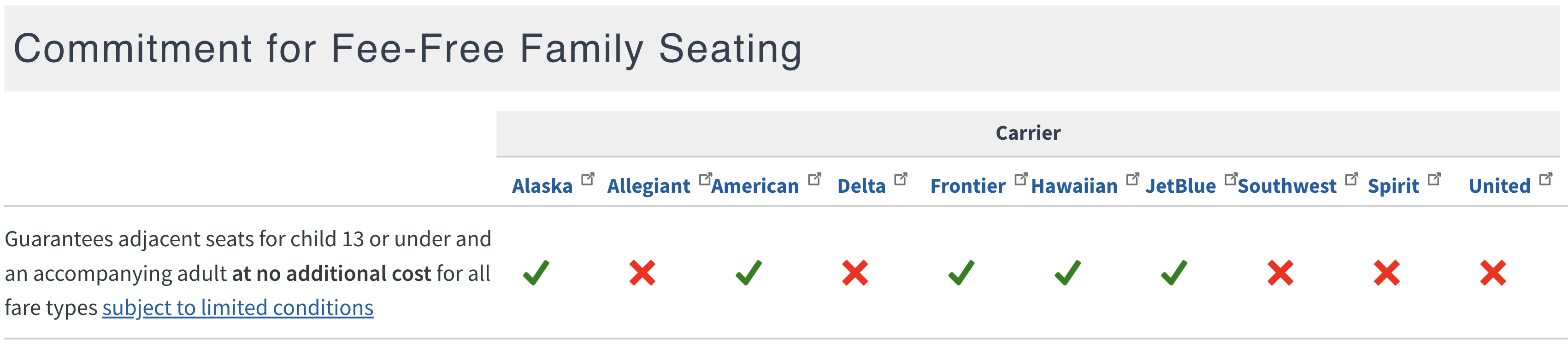
Source: https://www.transportation.gov/airconsumer/airline-family-seating-dashboard
Booking flights well ahead and choosing seats for the entire family remedy some of these problems. However, there are times when inclement weather or other operational challenges result in cancelled flights and subsequent rebooking. This can be very tough for parents who are flying with young children. As you can imagine, these situations often mean hundreds of people at the airport are attempting to rebook and available seats may be at a premium. Ensuring you not only book the new flight for everyone, but that you are seated with your youngsters isn’t always an easy task. Be clear with the booking agent right up front—you must sit with your kids. Booking agents and gate agents can make this happen in nearly all cases. Assigning new seats for other passengers to accommodate a family may not be easy, but it can be done.
Of course, this has been made more difficult by the airlines’ fee structure. Passengers are now paying extra for exit rows, additional legroom, or even aisle or window seats. Gate agents will have to shuffle seating around and risk angering those passengers that are moved. The airline can provide vouchers or other incentives, but this is often not done or simply too much work to accomplish in a short time frame when operational tempo is high. It isn’t the easiest thing to do, but it is obviously the right thing for parents and airlines.
Don’t wait until you’re boarding the new flight to act. Flight attendants will surely do what they can, but it does become more challenging given how contentious a full airplane of tired or frustrated passengers can be. If you have your hands full with kids, the last thing you want to do is ask other adult passengers if they will move seats to help you. Most people will accommodate; however, there are always those who will refuse or even raise a complaint.
Airlines also have varied policies regarding unaccompanied children. Again, there are no federal regulations on this topic. Most airlines offer unaccompanied minor services for kids starting at age 5 and ending at age 11-14 depending upon the carrier. These services include an escort to the gate, in-flight monitoring, and an escort from the aircraft to a waiting adult. These are services that must be arranged well in advance and vary greatly between airlines. Some airlines offer this on non-stop flights only, others on transfers but only involving their airline. These services also come at a cost that ranges from $50-$150 each way.
The child’s safety is obviously the most important factor. Consider if your child is old enough and mature enough to handle the experience. Although flight attendants are responsible for monitoring unaccompanied kids, they also have a full airplane of adults to take care of. Given the problems we see during ground evacuations it is vital that children flying alone must understand what to in an emergency. There is no substitute for a responsible parent sitting next to a small child when something unexpected happens.
Flying unaccompanied can be a wonderful experience for children. The independence gained is exhilarating and can provide confidence and positively impact the way a child views the world. Of course, the opposite can happen after a difficult trip. Planning these excursions well in advance and fully understanding all your airline’s policies and procedures is vital to ensure the trip goes well for everyone including the child, the airline, and the parents. Check out additional tips provided by the DOT on their Tips for Families and Links to Airline Webpages.
Your trust in The Foundation for Aviation Safety is vital to our work – Thank you for standing with us in advocating for accountability, transparency, and safety in aviation. If you’ve set up a donor advised fund (DAF), we’re pleased to let you know that the Foundation is eligible to receive grants via that vehicle.
Here’s how you can direct your DAF to support us:
Thank you for reading the Aviation Watchdog Report. Your continued support for the Foundation and interest in aviation safety is vital to making the industry safer for everyone.
The Foundation for Aviation Safety Team

info@foundationforaviationsafety.org
Media Inquiries: media@foundationforaviationsafety.org
1802 Vernon St NW #2213,
Washington, DC 20009
Copyright © 2026 The Foundation for Aviation Safety. All Rights Reserved.